Investing in a complete roof replacement or major structural overhaul represents one of the most critical decisions a property owner can make to safeguard their home. A building's overhead protective structure acts as the primary barrier against severe weather, extreme temperature fluctuations, heavy precipitation, and solar radiation. Because a compromised roof can lead to massive interior damage, structural rot, and compromised air quality, choosing the right contractor to execute the project is paramount. Engaging in thorough communication before signing contracts ensures that property owners select a qualified, ethical, and experienced professional capable of delivering superior results.
Asking targeted questions helps identify a contractor's operational standards, material choices, safety compliance, and warranty policies. Furthermore, addressing potential vulnerabilities early prevents subtle moisture intrusion that can quietly ruin underlying deck boards and interior insulation. According to EPA, household leaks can waste an average of more than 9,300 gallons of water per year. Establishing a clear dialogue with a trustworthy roofer ensures that your property receives a high-performance overhead system designed for long-term weather resistance and durability.
Verifying Licensing and Comprehensive Insurance Coverage
Confirming that your contractor possesses active trade licenses and comprehensive liability insurance protects your household from severe financial liabilities. Legitimate contractors maintain updated state or local municipal licenses that prove they have met essential trade qualifications and understand regional building codes. Equally important is verifying that the crew carries both general liability coverage and full workers' compensation insurance. General liability coverage protects your physical property against accidental damage during construction, such as fallen tree limbs or damaged siding. Workers' compensation coverage ensures that medical expenses and lost wages are fully covered if a worker suffers an injury on your premises. Without these crucial insurance policies, property owners risk assuming direct financial responsibility for job site accidents or structural mishaps. Requesting physical proof of insurance certificates directly from the insurance provider guarantees active coverage throughout the project duration. Partnering with a fully insured roofer provides total peace of mind while work is underway.
Evaluating Past Experience and Local Project Portfolios
Examining a contractor's local history and reviewing past project references reveals their level of craftsmanship and community reputation. Roofing practices, material selections, and ventilation requirements vary significantly depending on regional weather challenges, such as heavy snow loads or high wind zones. Experienced contractors who have operated within your local area for years possess deep familiarity with regional climate demands and local building department regulations. Asking for a portfolio of recently completed local projects allows you to inspect their work firsthand and assess aesthetic quality. Furthermore, speaking directly with previous local clients offers valuable insights into the crew's punctuality, communication style, job site cleanliness, and ability to stay within budget. A reliable history within the community demonstrates stability, accountability, and a lasting commitment to customer satisfaction. Choosing a well-established roofer ensures that your project benefits from years of localized trade expertise.
Inspecting Material Options and Manufacturer Warranty Terms
Reviewing the specific materials to be installed and understanding their associated warranty terms ensures your new roof offers optimal longevity. High-quality roofing systems consist of multiple integrated components, including synthetic underlayment, ice and water shields, drip edges, ridge vents, and durable surface shingles. Asking detailed questions about the brand, grade, and weather resistance ratings of these components helps you evaluate total system value. Additionally, property owners must differentiate between manufacturer material warranties and contractor workmanship warranties. Manufacturer warranties cover product defects, such as premature shingle deterioration or thermal cracking, over extended periods. Workmanship warranties, offered directly by the contractor, cover installation errors, flashing misalignments, and leak failures resulting from poor application. Securing written documentation for both material and labor coverage ensures full protection against future performance issues. Consulting a certified roofer guarantees access to premium material options backed by comprehensive warranty protections.
Clarifying Tear-Off Procedures and Substrate Inspections
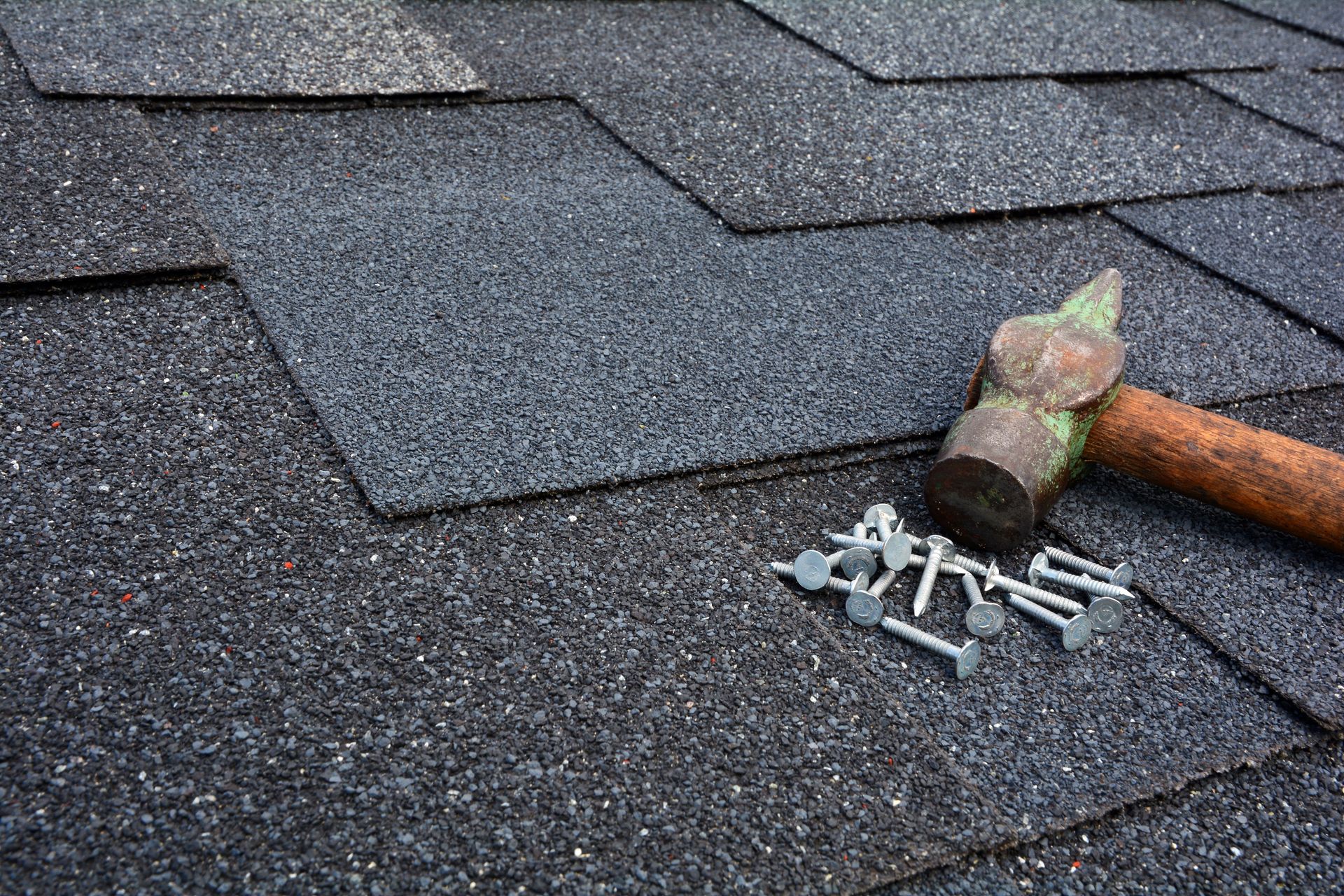
Determining whether the crew will completely remove the old roofing material down to the bare wooden decking prevents hidden structural rot. Some contractors attempt to cut labor costs by installing new shingles directly over old, worn-out layers. However, layering materials traps excess weight, conceals existing moisture damage, and voids many manufacturer product warranties. Complete tear-off allows technicians to perform a detailed inspection of the underlying plywood or oriented strand board sheathing. Any rotted, water-stained, or sagging wooden boards must be replaced before installing new underlayment membranes to ensure a solid structural foundation. Asking how the crew handles damaged deck replacement, including cost estimates per sheet of plywood, eliminates unexpected billing surprises mid-project. Thorough substrate preparation guarantees that your new roofing materials perform as designed for decades. Entrusting tear-off and deck prep to a diligent roofer ensures that your building's underlying structure remains strong, dry, and secure.
Establishing Job Site Safety Protocols and Debris Cleanup
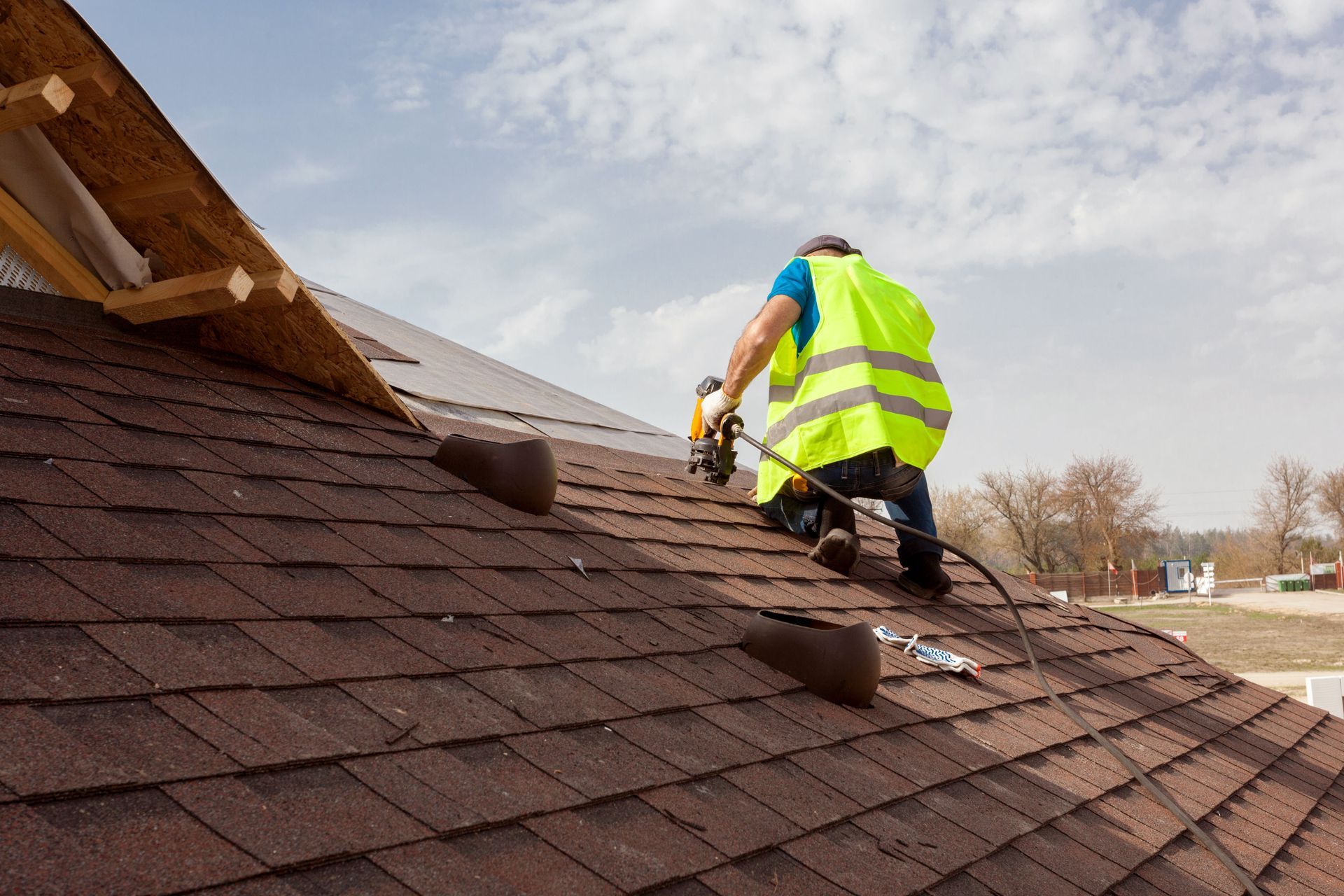
Discussing daily safety measures, property protection, and site cleanup strategies ensures a clean, organized, and hazard-free construction environment. Structural replacement generates substantial amounts of heavy waste, including thousands of old nails, torn underlayment, and broken shingle pieces. Asking how the contractor plans to protect your landscaping, windows, siding, and outdoor furniture prevents accidental property damage during tear-off phases. Professional crews utilize heavy-duty protective tarps, wooden barrier boards, and dedicated waste dumpsters positioned strategically near the structure. Furthermore, confirming that workers use proper fall protection equipment, safety harnesses, and secure ladder setups reflects a high standard of professional discipline. A thorough daily cleanup protocol must include passing powerful rolling magnetic sweepers across lawns, driveways, and flowerbeds to collect stray metal fasteners. Hiring a safety-conscious roofer protects your family, pets, and property from unnecessary construction hazards.
Reviewing Payment Schedules and Written Contract Details
Securing a transparent, fully itemized written contract before work begins protects your financial investment and establishes clear project expectations. Reliable trade professionals never demand full payment upfront prior to delivering materials or commencing work on site. Instead, standard payment structures involve a reasonable initial deposit upon contract signing, followed by scheduled progress paymentstied to specific project milestones. The final payment should only be released after the job is completely finished, a final inspection has passed, and you have verified that the site is fully cleaned. The written contract must detail the total project cost, material specifications, start and estimated completion dates, cleanup responsibilities, and explicit warranty terms. Reading every clause carefully and clarifying ambiguous terms prevents misunderstandings and unexpected financial disputes down the road. Working with an honest, transparent roofer guarantees a fair pricing structure backed by professional integrity.
Asking essential questions regarding licensing, insurance, local experience, material selection, tear-off methods, job site safety, and contract terms provides the clarity needed to select the ideal contractor for your home. Taking the time to evaluate a professional's qualifications prevents costly installation errors, eliminates unexpected financial liabilities, and ensures that your new roof withstands extreme weather conditions for years to come. Proactive planning and open communication pave the way for a smooth, stress-free construction experience. Protecting your residential or commercial investment requires partnering with experienced craftsmanship, superior materials, and transparent customer care. At Bill Jackson Roofing, Inc, we take immense pride in delivering top-tier roof replacements, precise structural inspections, complete exterior protection, and dedicated service across every project we undertake. Contact us today to schedule your comprehensive consultation, ask your vital project questions, and discover how our experienced team can keep your home fully protected.