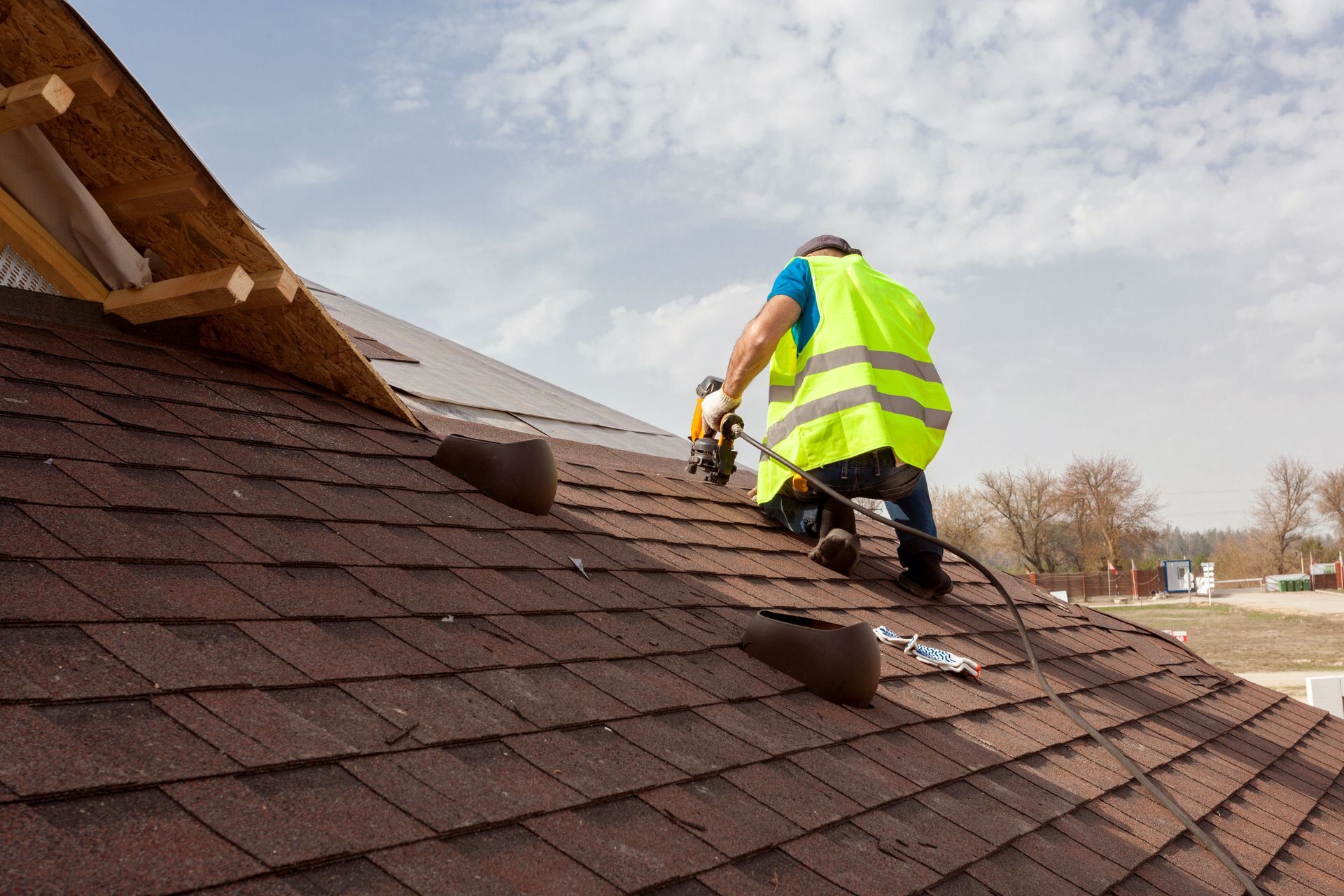
Maintaining a strong overhead structure remains a paramount priority for homeowners seeking to protect their valuable investments and families from severe weather elements throughout every season. When damage occurs or aging materials reach the end of their operational lifespan, finding a dependable contractor becomes an immediate and pressing necessity. Navigating through endless advertisements, marketing campaigns, and online directory listings can feel overwhelming, especially when trying to distinguish superior craftsmanship from subpar service providers. According to RubyHome, there are an estimated 131,980 roofers in the United States. Selecting a reliable local roofer requires careful research, strategic questioning, and a thorough evaluation of professional qualifications. By prioritizing regional expertise, legitimate credentialing, clear communication standards, and solid warranty coverage, property owners can confidently navigate the entire hiring process and secure a durable roof that stands strong for many years.
Verifying Licensing and Insurance Credentials
A legitimate home improvement project begins with confirming that a candidate holds all necessary state and municipal credentials required for residential construction work. Licensing requirements vary significantly depending on geographic region, but qualified professionals always maintain current registration with local construction licensing boards and municipal authorities. Engaging a licensed local roofer ensures that the company possesses the foundational technical knowledge required to adhere to strict building codes and regional safety standards. Requesting proof of active licensing protects homeowners against non-compliant structural work that could cause severe structural issues, unpermitted alterations, or legal complications down the road.
Along with active state and local licenses, comprehensive insurance coverage is essential for protecting personal property and financial stability during construction. A reputable contracting company must carry both robust general liability coverage and full workers compensation insurance policies. General liability coverage protects the residence from accidental structural damage during construction, while workers compensation shields the property owner from financial liability if a crew member suffers an injury while working on site. Always request certificates of insurance sent directly from the insurance policy issuer rather than accepting unverified paper copies, ensuring that every local roofer under consideration operates with active, continuous, and valid coverage.
Checking Customer Feedback and References
Understanding the historical performance of a contractor requires examining feedback from previous client engagements within the immediate community. Online evaluation platforms, local community discussion boards, and professional organization listings offer insightful perspectives on punctuality, job site cleanliness, and overall workmanship standards. Reading detailed descriptions written by property owners who hired a local roofer provides valuable context regarding how the company handles unexpected challenges, schedule adjustments, or daily site cleanup efforts. Consistent patterns of positive commentary across independent feedback channels indicate a strong operational track record and sustained community trust.
In addition to reviewing internet feedback, directly requesting client references offers a vital extra layer of reassurance before making a final hiring decision. A dependable professional willingly shares contact information for recent clients who can speak directly to their personal project experiences. Speaking with past clients allows homeowners to ask targeted questions about daily site management, communication responsiveness, project management styles, and strict adherence to projected budgets. Learning how a local roofer handled past full structural replacement projects gives valuable foresight into what to expect during a similar major property renovation project on your own home.
Requesting Detailed Itemized Estimates
Obtaining clear, itemized financial proposals allows property owners to make accurate financial comparisons without guessing what specific services are included in the overall cost. A comprehensive written proposal should explicitly outline material expenses, labor charges, permit fees, waste disposal costs, and realistic project completion timelines. Transparent pricing structures dramatically reduce the likelihood of surprise charges or unexpected price increases surfacing midway through the construction process. Comparing written scopes of work from every prospective local roofer clarifies differences in material quality, installation methods, and overall service scope, ensuring complete financial clarity prior to signing any binding contract agreements.
Vague verbal quotes or extraordinarily low financial bids should raise immediate concerns regarding work quality, project safety, or hidden fees. Extremely low estimates frequently signal the intended use of inferior roofing materials, rushed installation techniques, or missing insurance coverage policies. A detailed itemized document serves as a protective contractual foundation that holds both parties accountable to agreed terms, scopes, and timelines. Taking adequate time to review every individual line item guarantees that the selected local roofer commits to high construction standards, precise scheduling expectations, and complete financial transparency throughout the entire scope of the project.
Evaluating Material and Labor Warranties
A durable overhead protection system depends heavily on both high quality material manufacturing and faultless installation expertise. Consequently, evaluating the protective warranty policies offered by both the material manufacturer and the contracting company remains a crucial evaluation step. Manufacturer warranties typically cover material defects, whereas contractor warranties guarantee the quality of the installation labor itself. Choosing a local roofer who offers strong labor guarantees demonstrates immense confidence in their installation workmanship and ensures that structural issues arising from installation errors will be promptly corrected without imposing additional financial burdens on the owner.
Understanding the specific terms, conditions, and overall duration of all offered protection policies prevents unpleasant surprises in future years. Some manufacturing guarantees require specific certification levels from installation crews before honoring comprehensive extended warranty coverage plans. Verify whether the contractor holds specialized manufacturer designations that unlock superior warranty tiers for your property investment. Working with a fully certified local roofer provides direct access to extended material protections and ensures that all potential warranty claims will be handled efficiently by established professionals who maintain ongoing relationships with major building supply manufacturers.
Assessing Professional Communication Standards
Effective dialogue throughout a major residential renovation project remains vital for maintaining peace of mind, managing expectations, and staying on schedule. Pay close attention to how quickly, thoroughly, and professionally a contractor responds during initial discussions, quote requests, and preliminary site inspections. Prompt responses, courteous interactions, and willingness to answer detailed technical questions reflect a strong corporate commitment to customer satisfaction. A local roofer who communicates clearly from the beginning is far more likely to maintain open channels of updates when material delivery schedules shift, project choices emerge, or unexpected weather delays arise.
Clear documentation of all verbal promises, project milestones, payment schedules, and daily cleanup responsibilities ensures complete mutual understanding between all parties involved in the contract. A professional contractor establishes a designated point of contact for daily operational updates and provides clear written protocols for managing unexpected structural adjustments or scope changes. Selecting a local roofer who prioritizes open dialogue, formal documentation, and continuous project updates prevents costly misunderstandings, creating a seamless, stress-free home improvement experience from the initial consultation through to the final property walkthrough.
Selecting the right contractor to protect your residence requires diligent evaluation, thorough credential verification, and thoughtful comparison of proposal details. By taking time to confirm active licensing credentials, examine past client experiences, secure comprehensive itemized estimates, evaluate warranty protections, and observe communication standards, homeowners ensure that their structural investment receives top quality care. Investing in experienced professionals yields long term structural durability, elevated curb appeal, and absolute peace of mind against severe weather challenges for many years. When you are ready to enhance the overall safety, structural integrity, and value of your property, take the next step by contacting Bill Jackson Roofing, Inc. We look forward to hearing from you!